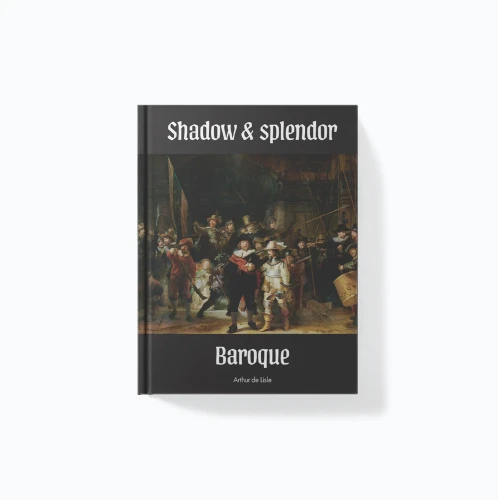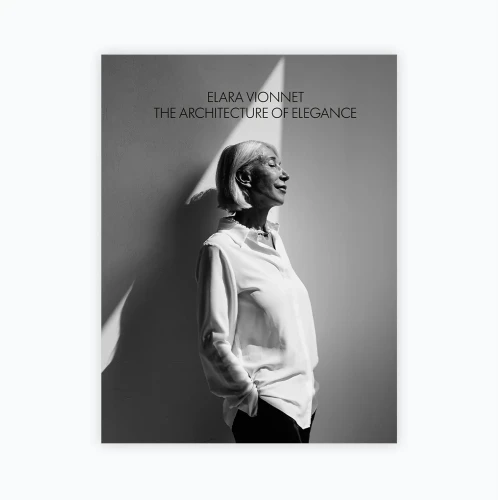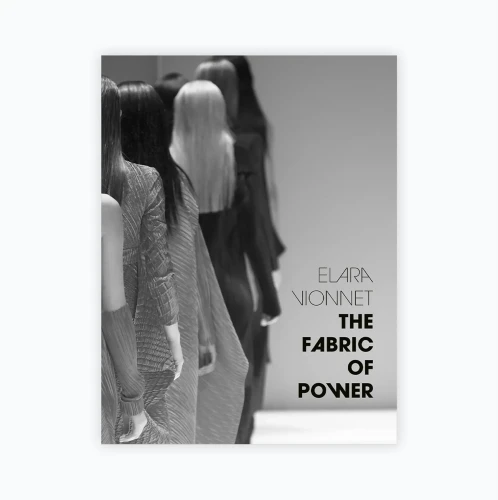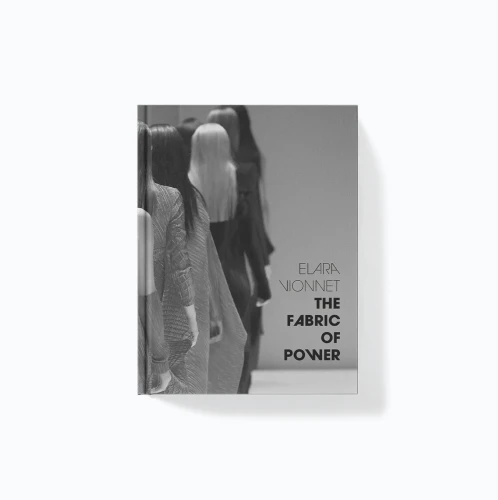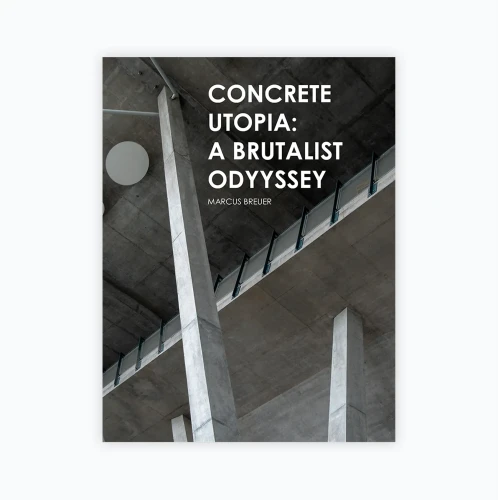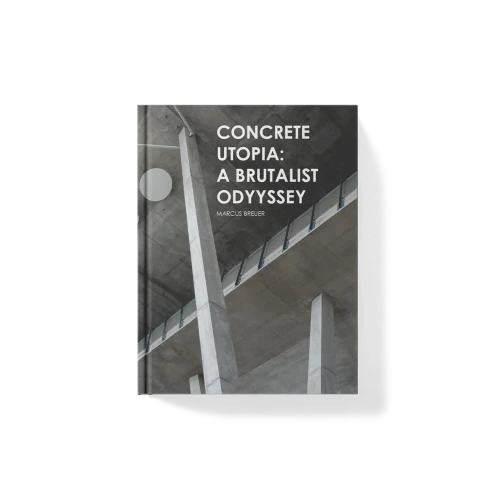

In an era dominated by glowing screens and instant digital downloads, the traditional paper book is making a massive comeback. Discover why modern readers are rediscovering the tactile joy of printed pages, using physical books as a much-needed digital detox, and turning reading into a deeply aesthetic and mindful experience.
Beyond Dragons and Destiny
Fantasy is no longer just about elves, dwarves, and a farm boy saving the world from a dark lord. From the gritty, morally grey battles of grimdark to the soothing, low-stakes vibe of cozy fantasy, discover how contemporary authors are rewriting the rules of the genre—creating magical worlds that perfectly reflect our modern-day, very human complexities.
How Modern Fantasy is Rewriting the Rules
When we think of fantasy, our minds often jump straight to the classic tropes popularized by J.R.R. Tolkien: a diverse fellowship embarks on a perilous quest to destroy an ancient evil, and the world is sharply divided into noble light and absolute darkness. For decades, this classic "Chosen One" narrative was the holy grail of fantasy literature.
However, modern fantasy has undergone a massive evolution. Today’s authors are tossing aside black-and-white morality in favor of complex dilemmas, and sweeping epic battles are making way for deep, character-driven psychology.
Exploring New Magical Territories
Instead of recycling the same medieval European settings, modern writers are exploring new territories and creating subgenres that cater to completely different reader moods. Here are three of the most exciting directions the genre has taken:
-
Grimdark (Grit and Moral Greyness): Popularized by authors like George R.R. Martin and Joe Abercrombie, these worlds have no knights in shining armor. The protagonists are often cynics, mercenaries, and manipulators. The choices they face rarely involve doing the "right" thing; instead, they must choose the lesser of two evils. It is a brutal but highly realistic take on human nature.
-
Urban Fantasy (Magic in the Metropolis): Why must magic be confined to ancient castles? Urban fantasy drags vampires, demons, and spellcasters into modern-day cities—from London to New York. These are stories where ancient curses are broken using smartphone apps, and magical creatures have to pay rent, file taxes, and sit in morning traffic.
-
Cozy Fantasy (Coffee, Blankets, and Magic): The latest trend capturing the hearts of exhausted readers everywhere. These are "low-stakes" stories where absolutely nobody is trying to save the world. Instead, a bloodthirsty orc might retire from a lifetime of war to open a quiet coffee shop (as seen in the hit Legends & Lattes). It provides the perfect, soothing escape from our stressful reality.
The Evolution of the Genre
To truly understand how much fantasy literature has transformed, we only need to look at how its core elements have shifted over the years:
-
The Protagonists: We have moved away from the pure-hearted "Chosen One" destined for greatness. Modern heroes are deeply flawed individuals, often dealing with trauma, bad habits, and heavy moral burdens.
-
The Magic Systems: The mysterious, mystical magic of old has largely been replaced by "hard magic." Today’s authors often treat magic like a science, establishing strict, logical rules, limitations, and costs for casting spells.
-
The Settings: The genre has exploded past its traditional Western-European medieval roots. Readers can now easily find rich fantasy worlds inspired by African mythology, Asian history, Middle Eastern folklore, and the Industrial Revolution.
Why We Still Need Fantasy
You might ask: why do we need all these made-up worlds? The truth is that fantasy—whether filled with fire-breathing dragons or city-dwelling wizards—is just the backdrop. Through the distorted mirror of magic, authors can safely and creatively explore real-world issues like inequality, political corruption, environmental crises, and complex human relationships.
Fantasy teaches us empathy and allows us to look at our own problems from a completely new perspective. It’s no longer a genre just for "nerds"—it’s literature that has something deeply important to say to all of us.