In an era dominated by glowing screens and instant digital downloads, the traditional paper book is making a massive comeback. Discover why modern readers are rediscovering the tactile joy of printed pages, using physical books as a much-needed digital detox, and turning reading into a deeply aesthetic and mindful experience.
The Enduring Magic of Paper
In an era dominated by glowing screens and instant digital downloads, the traditional paper book is making a massive comeback. Discover why modern readers are rediscovering the tactile joy of printed pages, using physical books as a much-needed digital detox, and turning reading into a deeply aesthetic and mindful experience.
Why Physical Books Are Thriving in a Digital World
Not so long ago, tech visionaries boldly predicted the death of the printed word. With the rise of sleek e-readers, smartphones, and tablets, the heavy, space-consuming paper book was supposed to become a relic of the past. Yet, the reality has proven to be entirely different. Today, physical bookstores are seeing a resurgence, and printed books continue to dominate the publishing market.
It turns out that reading a physical book offers something that no piece of technology can replicate: a deeply sensory and mindful experience.
The Ultimate Digital Detox
In our modern lives, we are constantly bombarded by notifications, emails, and the blue light of our screens. We work on laptops, socialize on smartphones, and relax in front of televisions. Because of this screen fatigue, reading a paper book has become an act of rebellion and a much-needed mental sanctuary.
When you open a physical book, there are no pop-up ads, no battery percentages to worry about, and no incoming text messages to distract you. It demands your singular focus, forcing your brain to slow down and immerse itself fully in the narrative. For many contemporary readers, a printed book is the ultimate tool for a digital detox, providing a quiet space to disconnect from the frantic pace of the internet.
The Sensory Joy of Reading
A physical book engages our senses in ways that a flat screen simply cannot. There is a specific magic in the tactile nature of reading that modern readers still crave:
-
The Scent of Paper: Whether it is the crisp, chemical smell of a freshly printed hardcover or the comforting, vanilla-like scent of an old paperback, the smell of books is intoxicating to avid readers.
-
The Weight of Progress: Holding a book gives you a physical sense of your journey through the story. You can feel the weight shifting from your right hand to your left as you progress, offering a deeply satisfying, tangible measurement of your reading accomplishment.
-
The Act of Interaction: Dog-earing a page, breaking the spine, or scribbling notes in the margins makes the reading experience interactive. A well-loved book becomes a personal artifact, holding the physical traces of the person who read it.
The Book as an Art Object
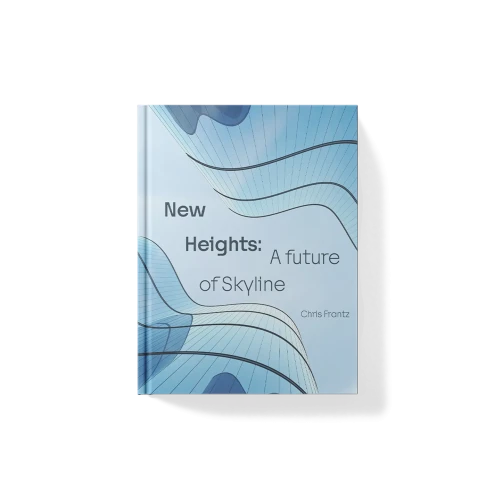
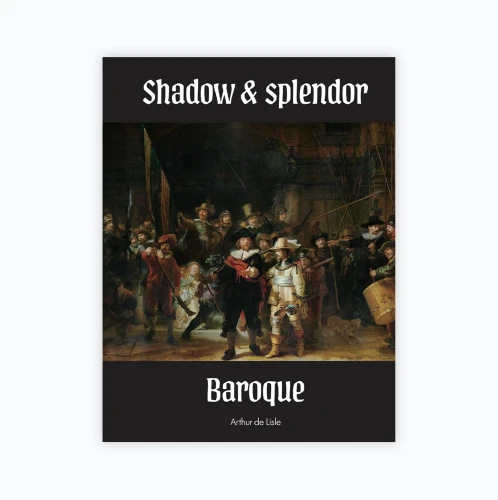
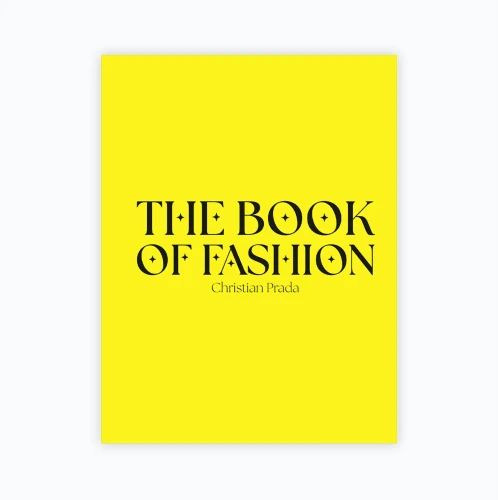
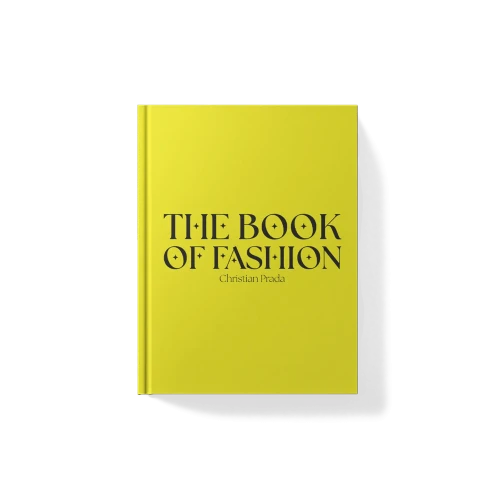
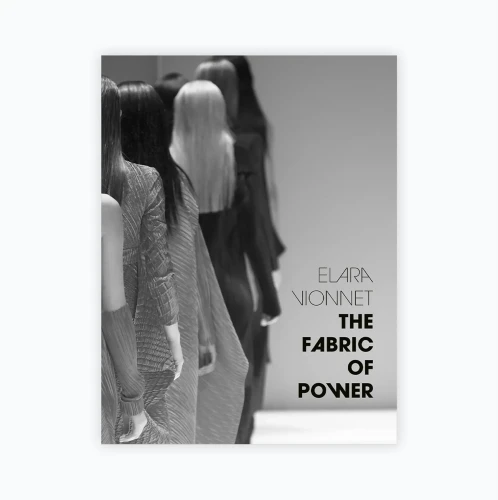
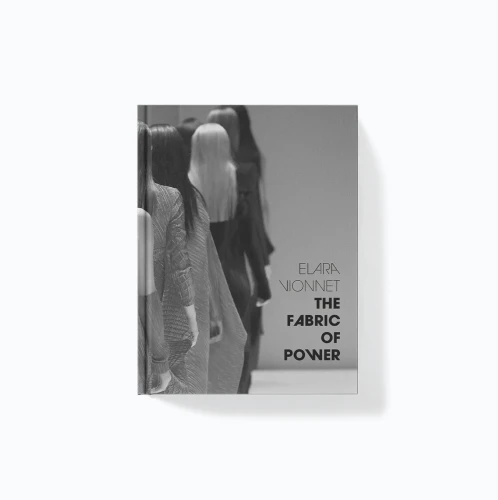
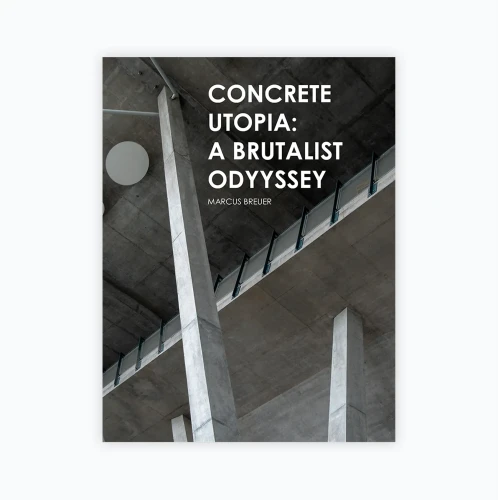
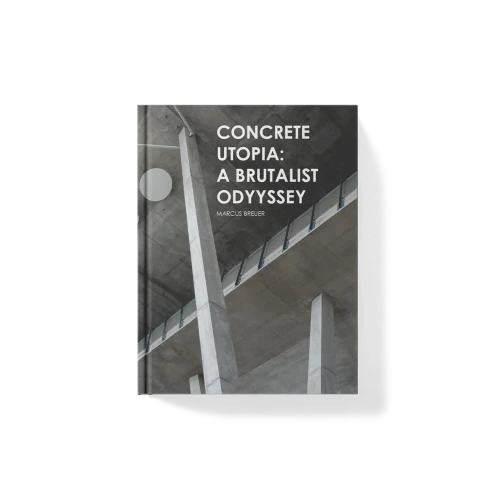
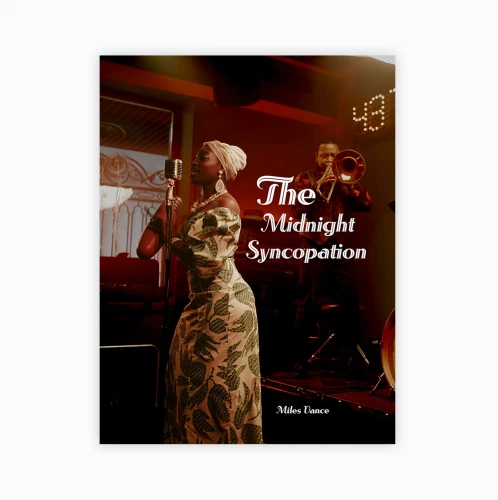
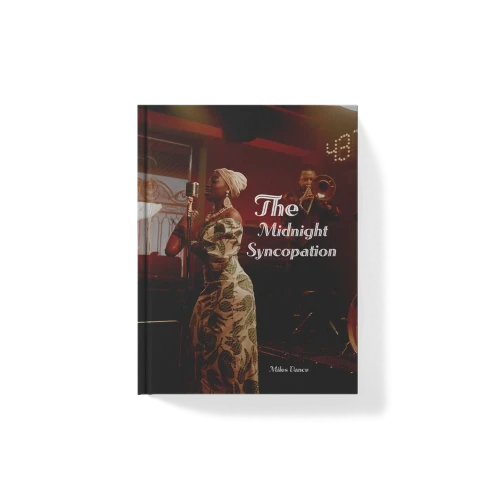
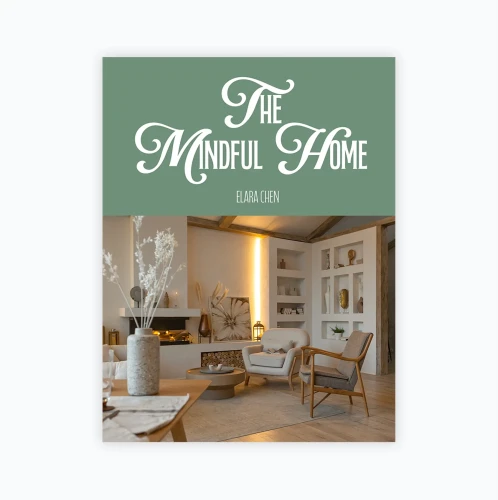
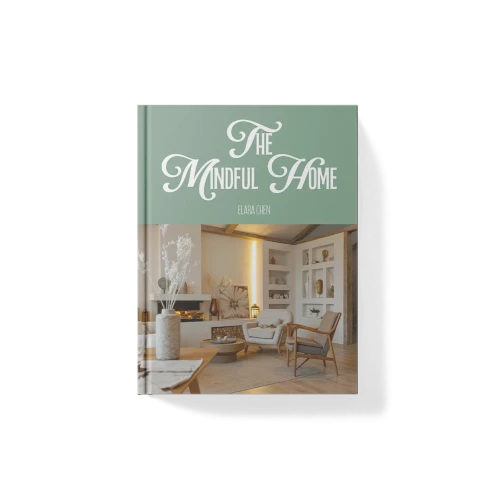
Another major reason for the resurgence of print is the aesthetic appeal of books. Thanks to highly visual social media platforms, beautifully designed books have become coveted items.
Publishers have responded to this trend by turning books into true works of art. Modern readers are actively seeking out special editions featuring intricate foil stamping, gorgeous cover illustrations, and beautifully sprayed or stenciled edges. A bookshelf is no longer just a storage space; it is a curated display of personal taste and identity. Readers want to surround themselves with beautiful, physical objects that represent the stories they love.
The Timeless Appeal of Print
Technology will undoubtedly continue to evolve, and digital formats will always have their place for convenience and travel. However, the modern reader has realized that efficiency is not everything. We don't just read to consume information quickly; we read to feel, to escape, and to experience. And as long as those desires exist, the traditional, paper-bound book will never go out of style.